
Creating AI Agents That Work
Creating AI Agents That Work is a practical guide for business leaders, subject-matter experts, and teams who want a clear path from idea to everyday use. No engineering background required.


Creating AI Agents That Work is a practical guide for business leaders, subject-matter experts, and teams who want a clear path from idea to everyday use. No engineering background required.
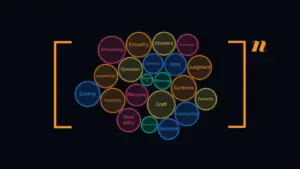
For fifty years, the advice was to keep up with the machine. This data story traces six decades of skill demand — and finds the fastest-rising skills in the AI era are the oldest, most human ones.

Many companies using AI report no significant ROI due to a focus on low-value tasks, unclear value addition by employees, and the misconception that AI should replace humans. Successful integration requires understanding human-AI collaboration.

Many companies using AI report no significant ROI due to a focus on low-value tasks, unclear value addition by employees, and the misconception that AI should replace humans. Successful integration requires understanding human-AI collaboration.

AI is an amplifier. Without conscious and thoughtful engagement, it can amplify the wrong things.